


For all the limitless merits of “being there” we’ve gushed on about over the past few weeks, I’ve long been convinced that there’s much to be said for doing one’s homework. Most of the time, you get a lot more out of a visit somewhere if you’ve made the effort to inform yourself of the relevant context ahead of time.
But not always.
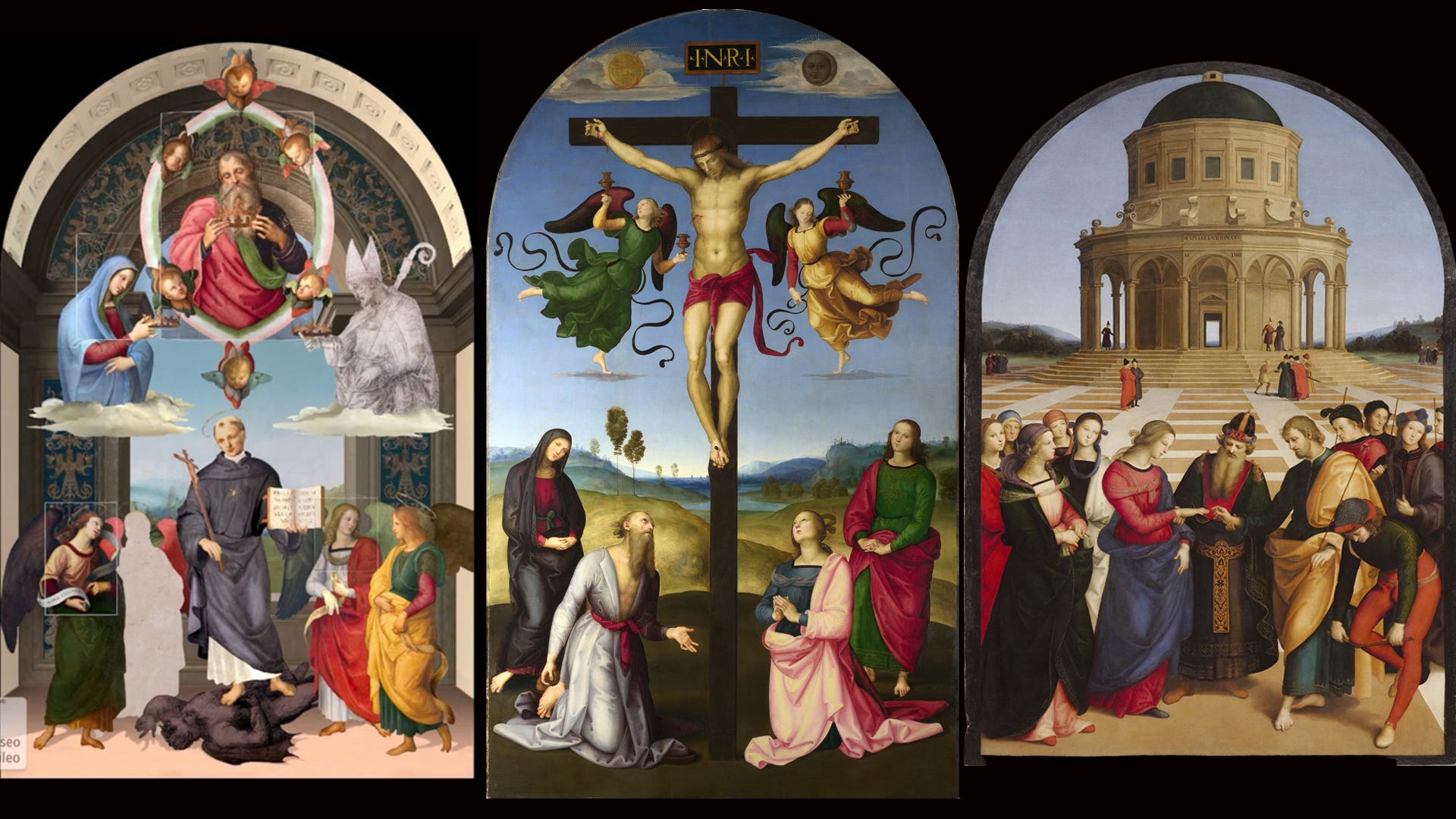
A few days ago we visited the Pinacoteca Comunale in Città di Castello. This north-Umbrian town is not on most of the major tourist routes, but for me it was something of a pilgrimage, as months of research for my first art film on Raphael1 had drilled home to me its deep, coming-of-age significance for the 17-year-old phenom from Urbino. It was, after all, the place where he fulfilled his first recorded commission – the so-called Baronci altarpiece – followed by two others for neighbouring churches.
These days, however, none of those first three masterpieces remain in Città di Castello: the Baronci altarpiece was severely damaged in a 1789 earthquake and the surviving fragments are dispersed between Brescia, Naples and Paris, while the other two – the Mond Crucifixion and The Marriage of the Virgin – are displayed in the National Gallery and the Pinacoteca di Brera respectively.
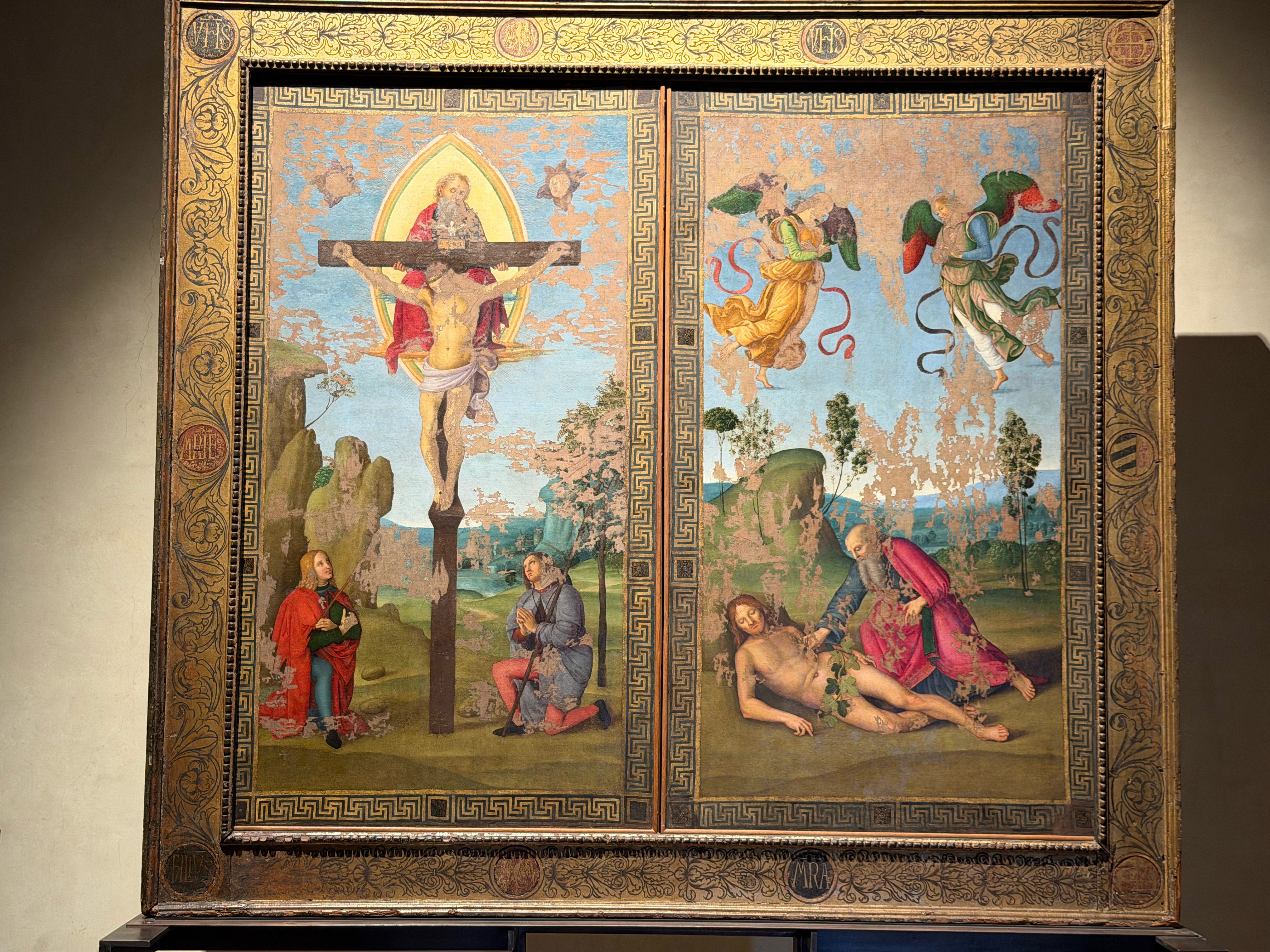
All that tangibly remains of Raphael’s formative time in Città di Castello is the two-sided processional banner he painted for the town’s Confraternita della Trinità: now badly damaged, long since cut apart and mounted as two separate, albeit physically fused, panels.
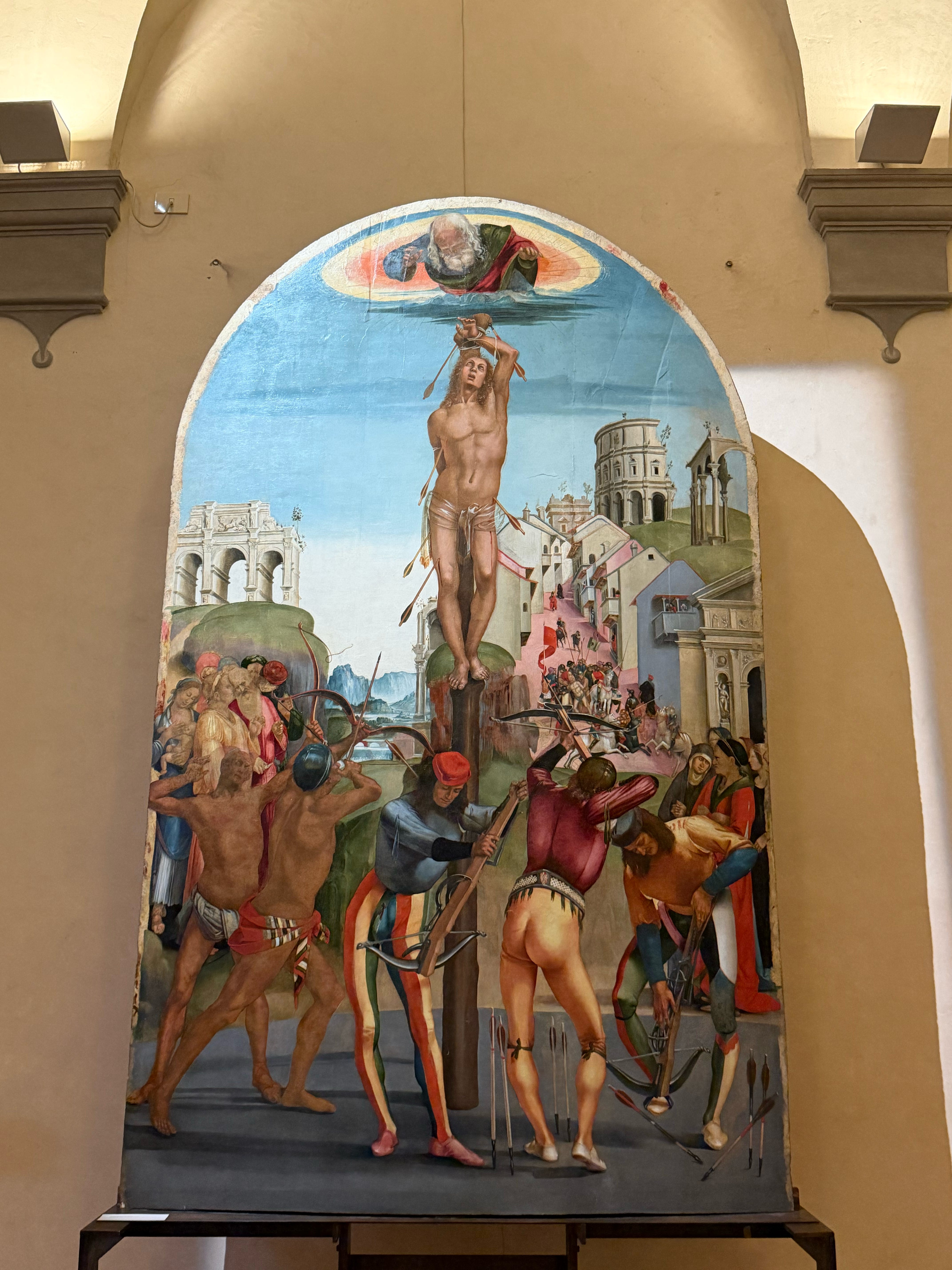
Meanwhile the other, related, work I was looking forward to seeing in the Pinacoteca was Luca Signorelli’s famous Martyrdom of Saint Sebastian.
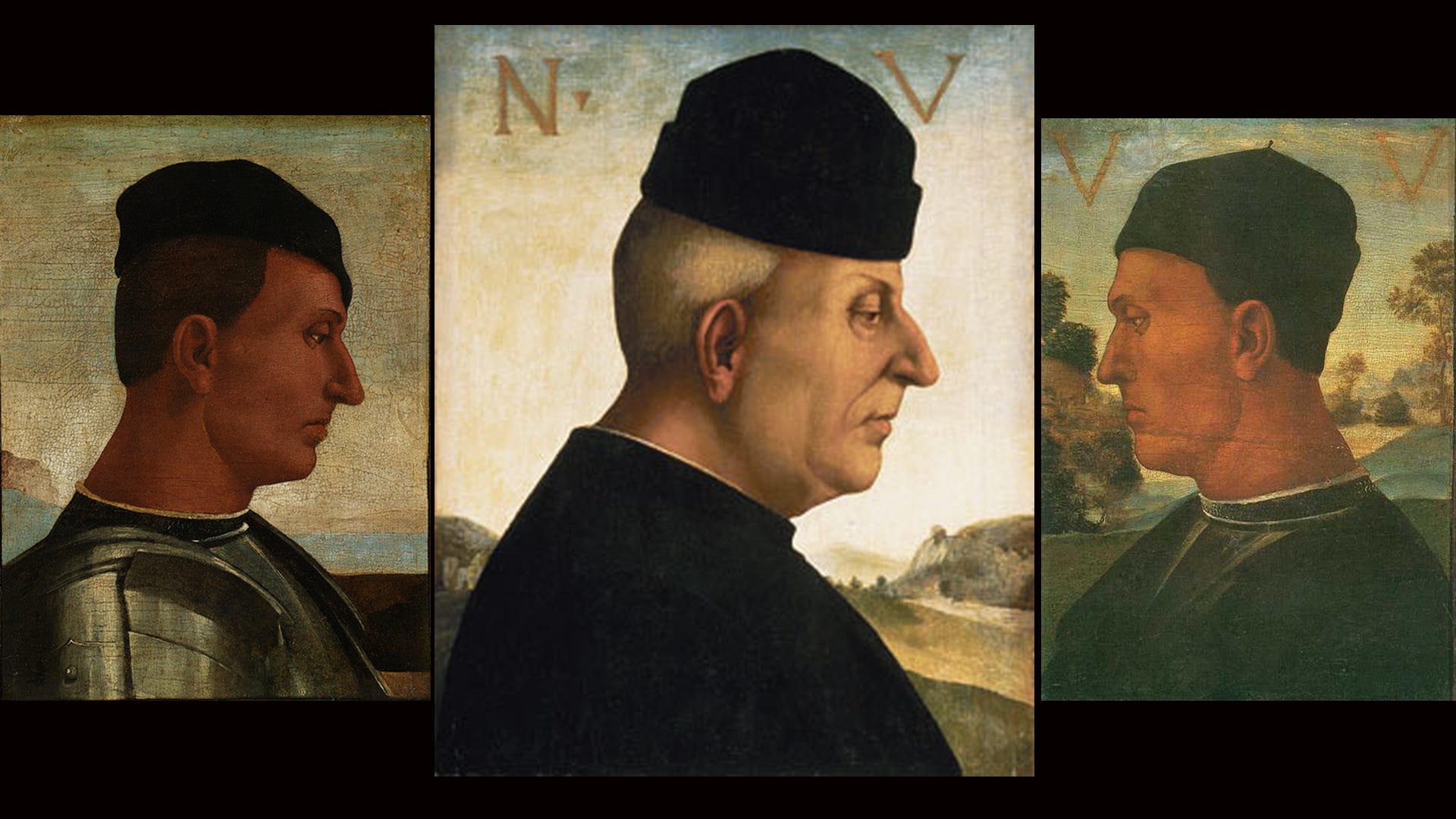
Signorelli, I knew, had spent considerable time in Città di Castello, having developed close personal ties to the ruling Vitelli family of condottieri, as witnessed by the extant portraits we have of the dynasty’s founder Niccolò Vitelli and two of his sons.
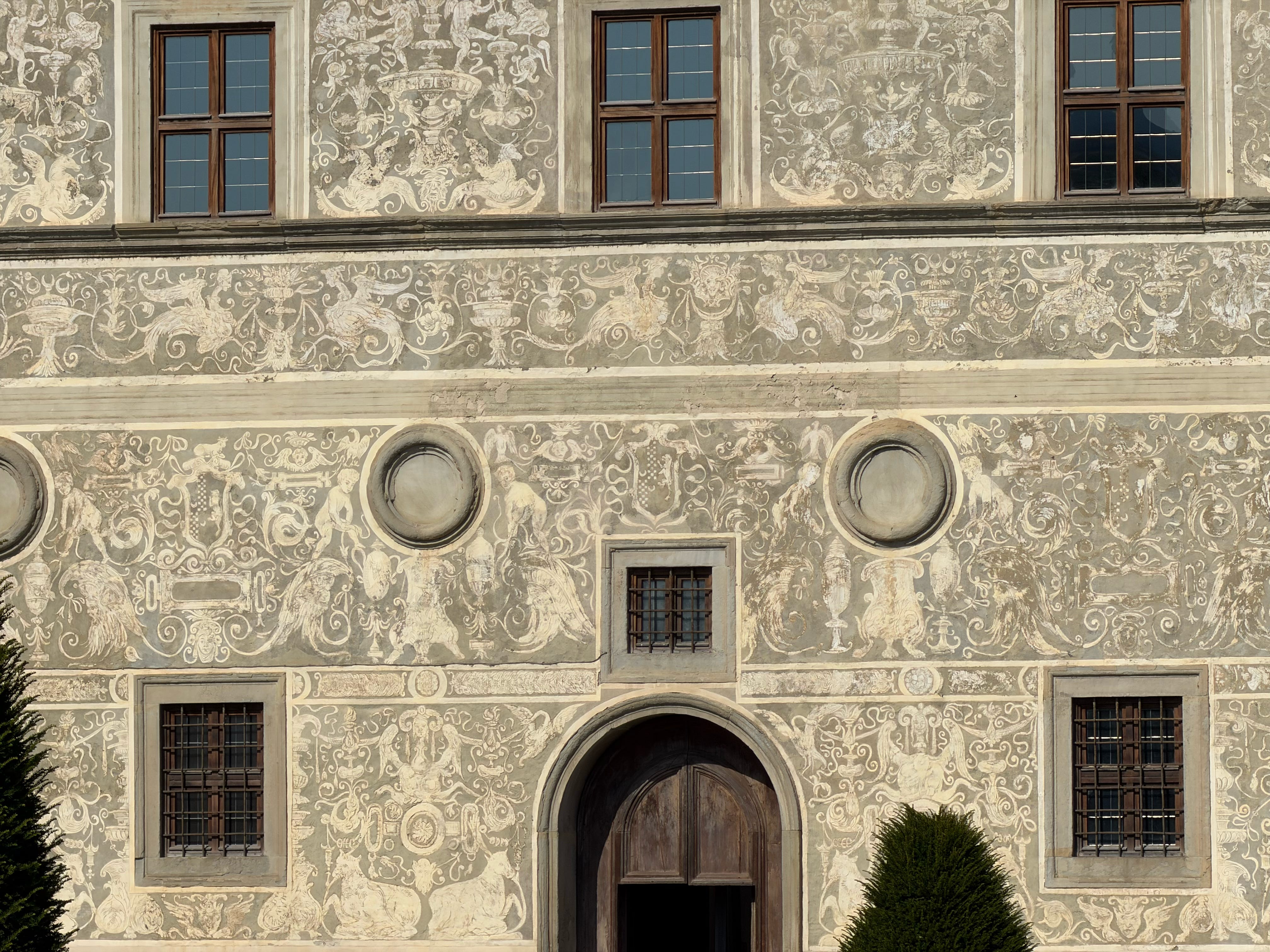
And as it happens, Città di Castello’s Pinacoteca is now housed in the extensive palazzo that was the home of Niccolò’s grandson Alessandro Vitelli, with its comprehensive exterior sgraffito grotesques designed by Giorgio Vasari and executed by his workshop.2
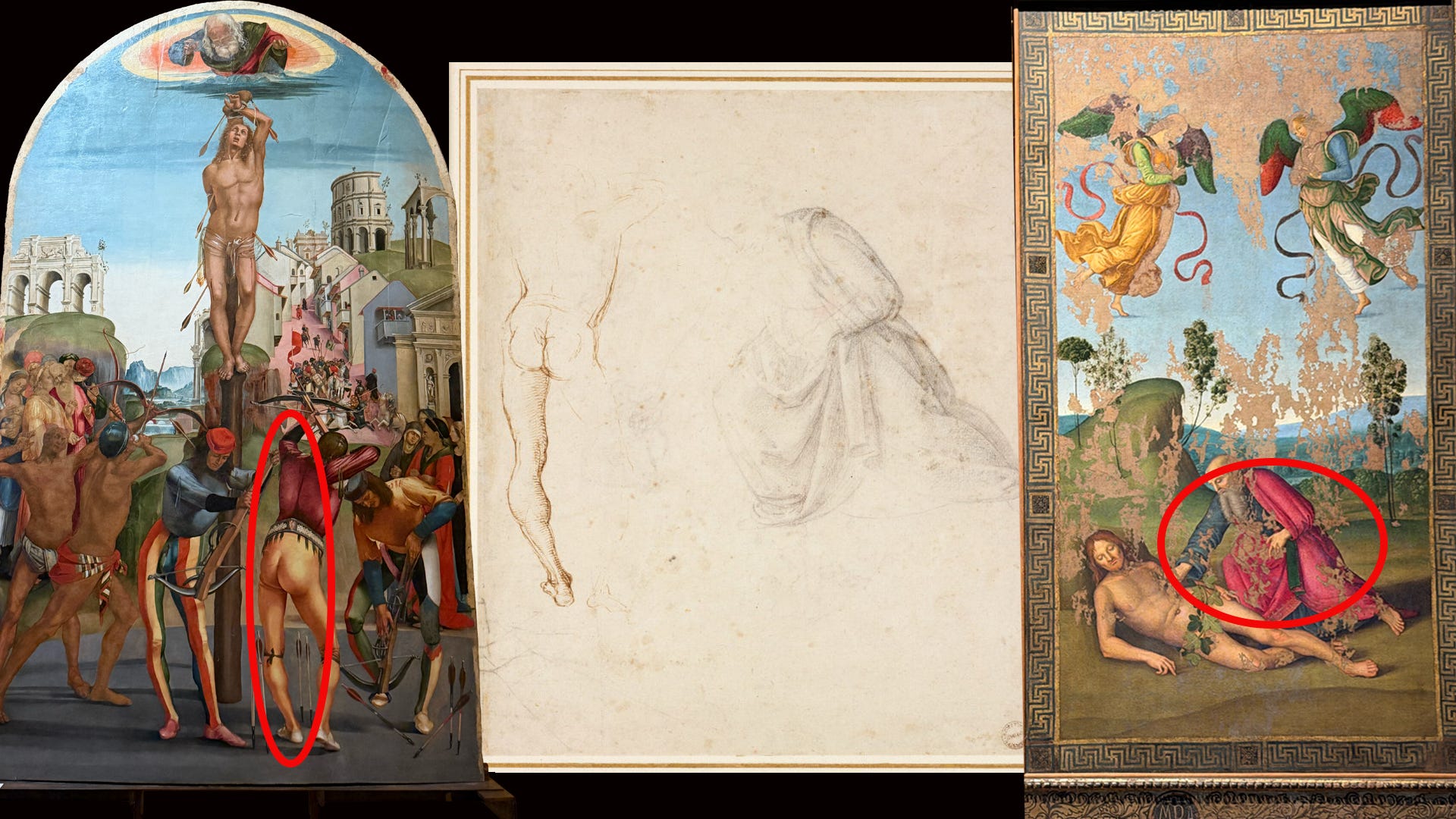
Signorelli’s Martyrdom of Saint Sebastian is dated to 1498, during the same period that he was working on his famous fresco series on the life of Saint Benedict at Monte Oliveto Maggiore (later completed by Sodoma). The next year, roughly when Raphael arrived, he left Città di Castello for good to paint his spectacular fresco series in the cathedral’s San Brizio Chapel,3 but his lingering presence in the city was clearly felt. The Martyrdom of Saint Sebastian hung in Città di Castello’s church of San Domenico (in whose Gavari Chapel Raphael’s “Mond Crucifixion” would soon be placed); and Oxford’s Ashmolean Museum contains a wonderfully vivid drawing by Raphael sketching one of its archers right next to a preparatory sketch of the God the Father figure bending down to extract a rib from Adam for his processional banner.
Which is all to say that, well before we drove into Città di Castello, I was unhesitatingly convinced that our visit was going to be all about Raphael and Luca Signorelli.
But, as you’ve probably guessed by now, it turns out I was wrong (a fairly common theme throughout this Substack).
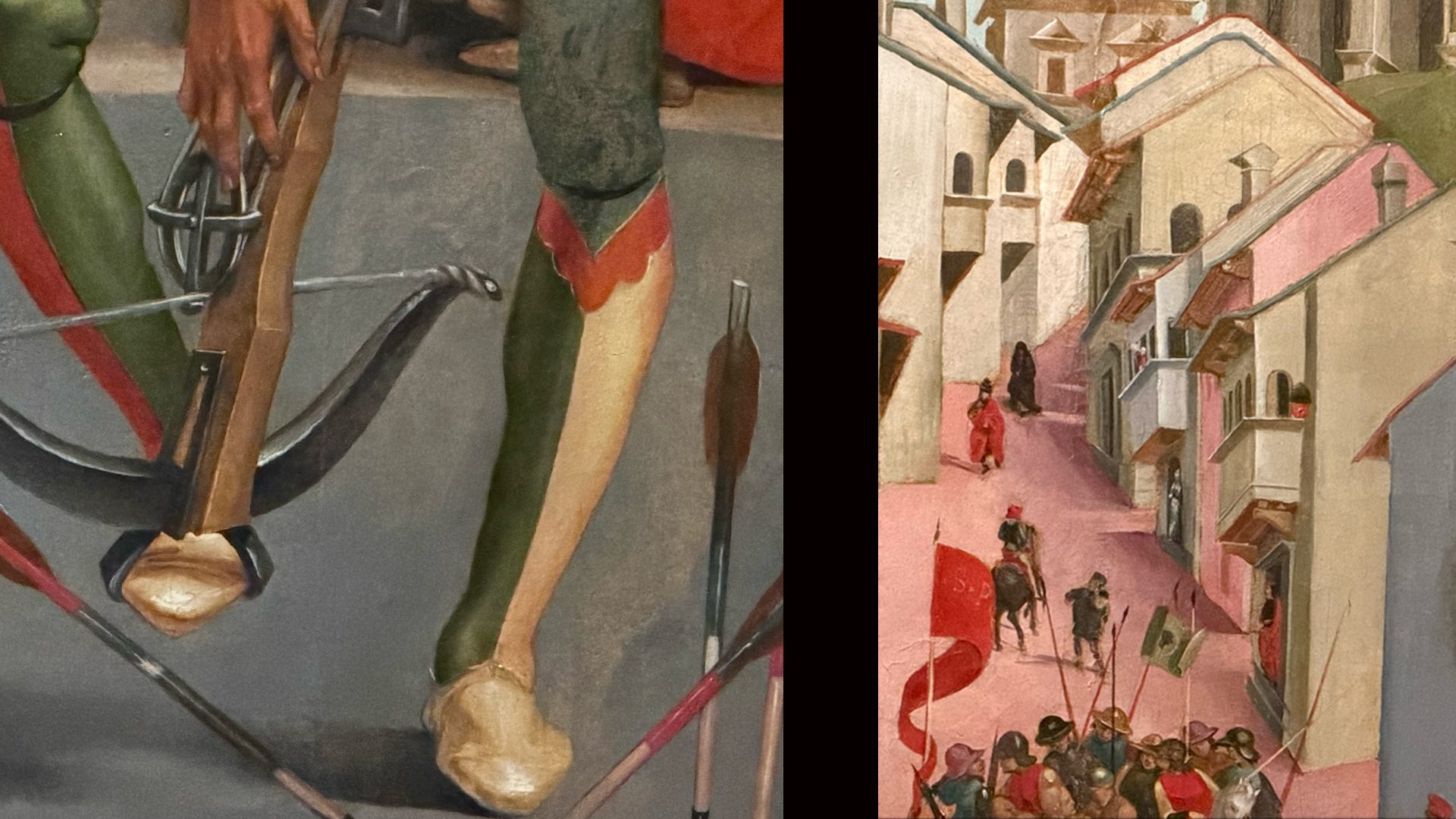
Of course the Raphael banners were very much worth seeing up close,4 and Signorelli’s Martyrdom of Saint Sebastian even more so – particularly its many remarkably compelling details.
But to me the real show-stoppers, what I will long remember Città di Castello’s Pinacoteca for, were two artworks I had no idea existed.
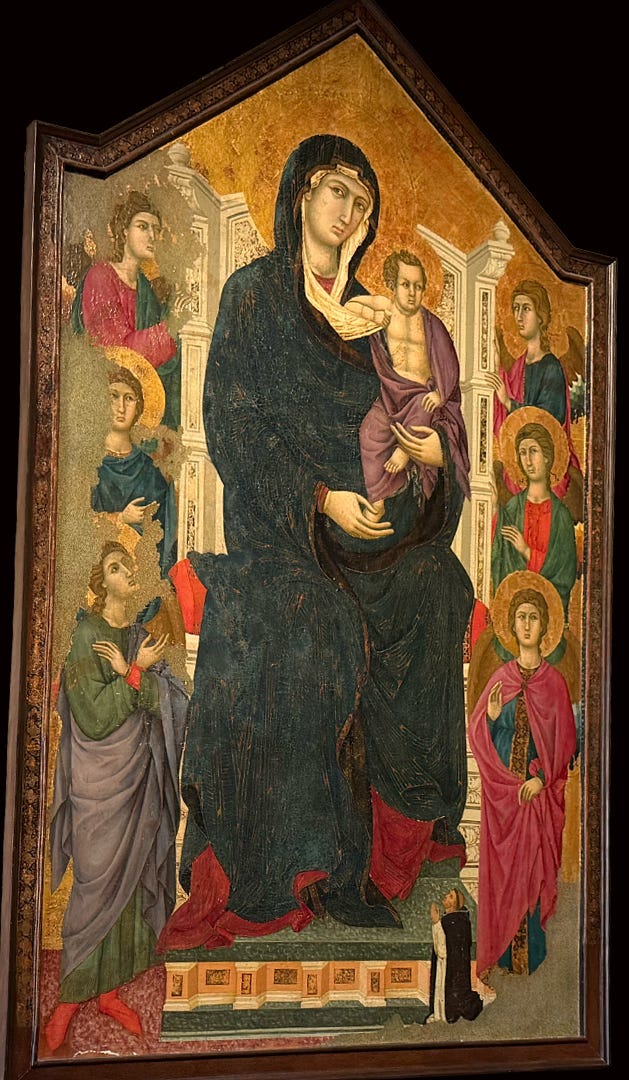
The first was a stunning Maestà that, for all the world, looked exactly like something that Duccio would have created. The label told me that it was by “the Maestro di Città di Castello”, but that meant nothing to me. If it wasn’t actually Duccio, it might as well have been. Simple as, like the British say.5
And then I came upon the stunningly intricate and extraordinarily beautiful Madonna and Child with Two Angels by Neri di Bicci.
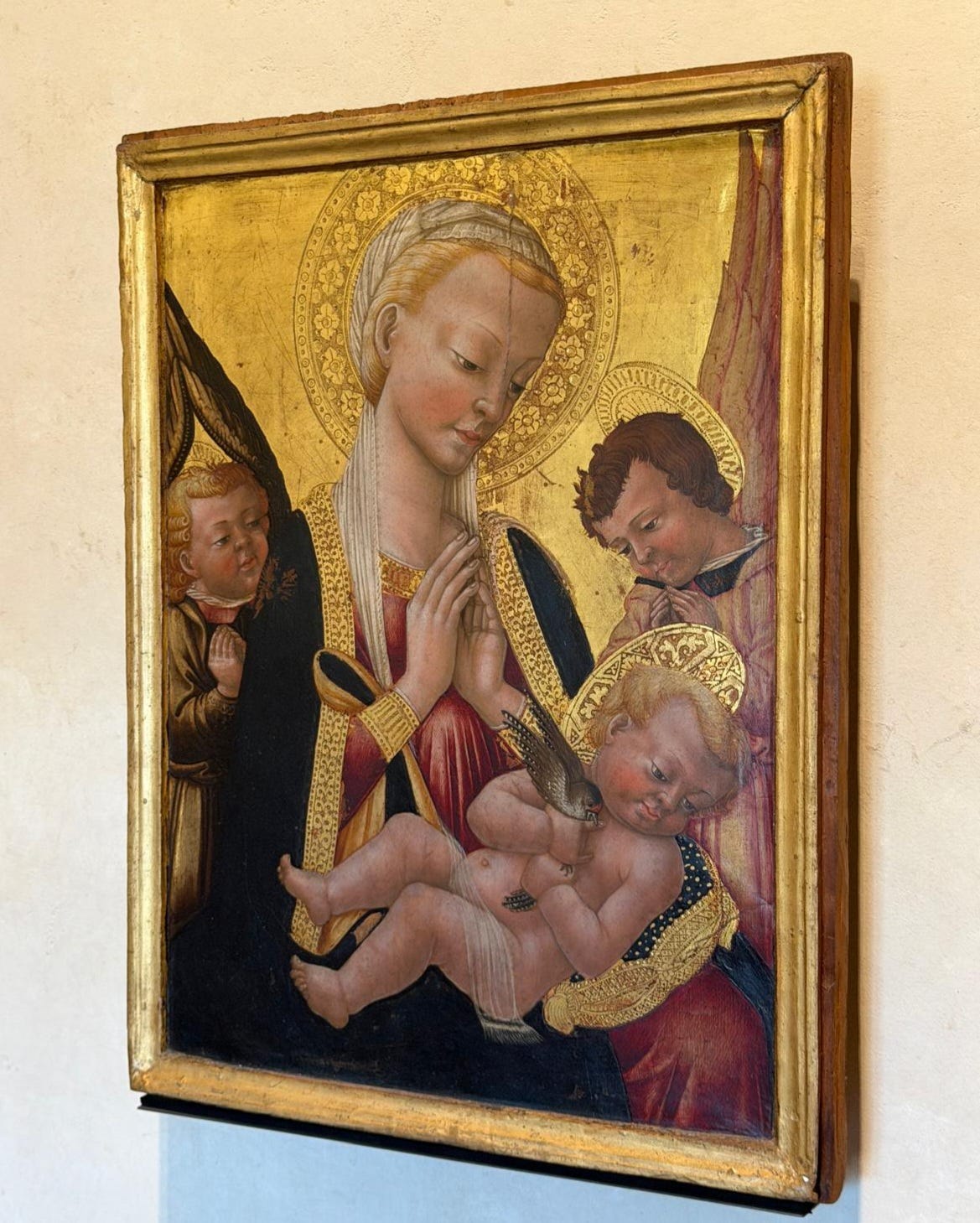
From the deeply thoughtful yet compellingly individuated expressions on each angel, their wings duly closed upwards to convey profound contemplation and divine submission rather than angelic locomotion, to the mesmerizingly golden patterns on the robe, pillow and haloes, to the indescribably captivating face of the Madonna that constantly brought to my mind similar images crafted by Filippo Lippi,
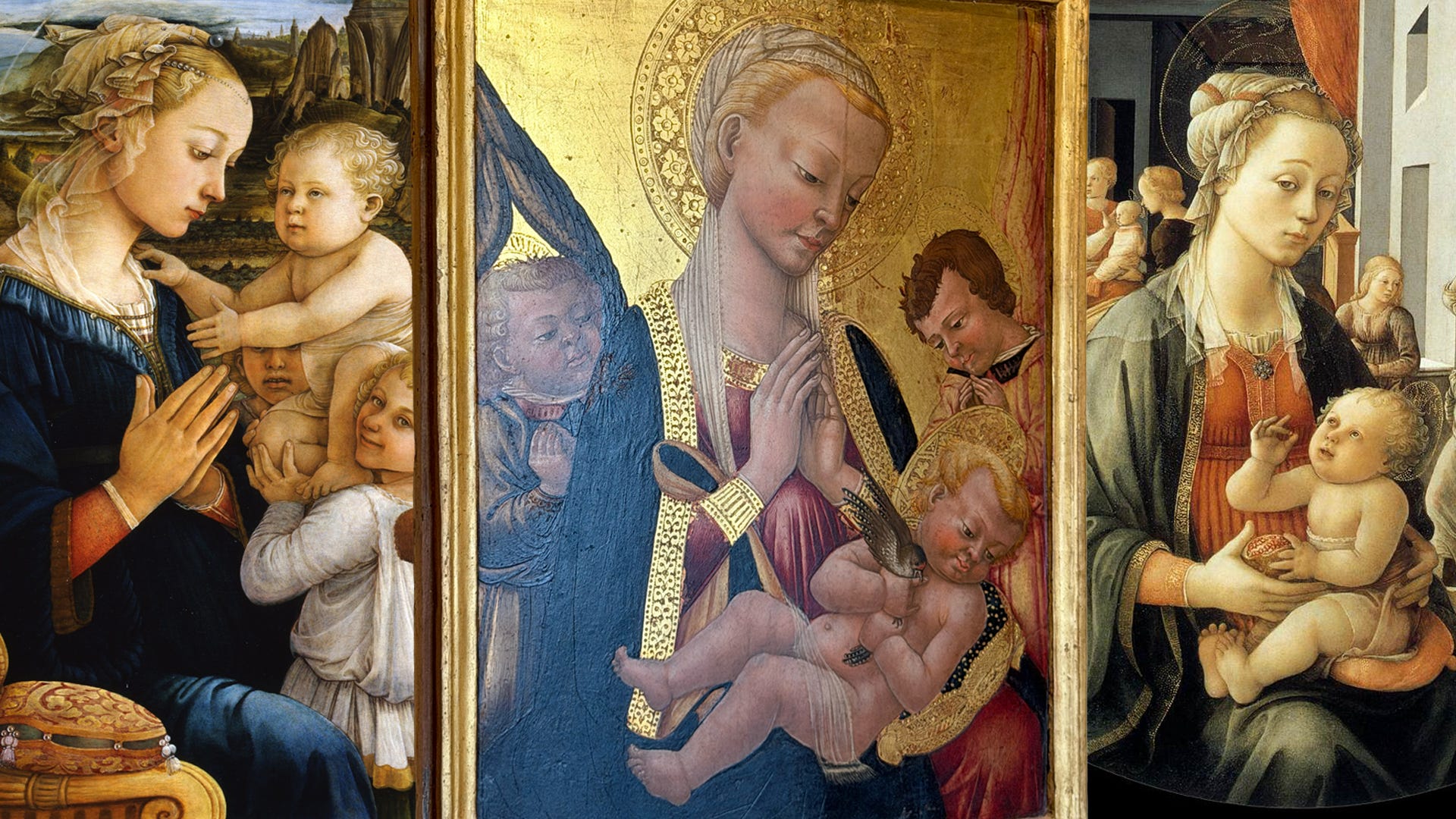
I simply couldn’t take my eyes off it. The minutes ticked by and I remained rooted to the floor, transfixed, unable to move on to sample the famous Raphael and Signorelli works that I had allegedly “come there for”.
I mean, really. What a country.
Howard Burton
You may also be interested in reading the following essays:


Raphael: A Portrait, film page here: https://ideasroadshow.com/raphael - the film is also available here for paid subscribers.
For history buffs, these rivers run intriguingly deep: Alessandro was the son of Paolo Vitelli, the condottiero who was summarily executed by the republican rulers of Florence in 1499 on notoriously thin evidence, a scenario that played a significant role in developing Machiavelli’s conviction that reliance on mercenary armies for a republic’s defence should be firmly avoided; Paolo’s brother Vitellozo, meanwhile, repeatedly raided Florentine territory as an act of retribution for his brother’s death, before he was infamously killed by Cesare Borgia in Senigallia a few years later – an act that, as it happens, Machiavelli personally witnessed as a diplomatic envoy and later explicitly referenced in The Prince.
Finishing off the work started by Fra Angelico several decades earlier.
Some of you might have seen them too recently, as they just returned to Città di Castello from the Met’s Raphael: Sublime Poetry exhibition, but as readers of this Substack will know – see below – that was not part of my travel plans.

Later, of course, I looked it up: apparently the art historian Mason Perkins was the first to concretely formulate the notion of a “Master of Città di Castello” and made several detailed arguments, many of which art historians are still debating. Whatever.